Lessons from 40+ Industry Experts on the Mastering Property Management Podcast
Many have inquired why I, the owner of Picture Perfect Cleaning Inc., launched a Property Management Podcast despite not being a property manager myself. 💡
Launching the Mastering Property Management podcast was a personal quest to deeply connect with our incredible customers, potential customers, and industry experts in the markets we serve. 💼 By immersing myself in the world of property management, understanding the needs, and fostering genuine relationships, we’re unlocking insights that go beyond the surface. 🚀 Our dedication to becoming unparalleled experts in our field stems from an unwavering commitment to serving our customers with excellence.
I firmly believe that knowing our customers isn’t just a nicety; it’s a business imperative. It’s the key that unlocks the door to unparalleled service, unwavering loyalty, and sustained success. By delving deep into their experiences, challenges, and aspirations, we gain insights that empower us to anticipate their needs, exceed their expectations, and truly make a difference in their lives.
By sharing insights, experiences, and discoveries along the way, I’m not only striving for personal mastery; I’m fostering a community of like-minded individuals united by a shared passion for innovation and excellence in property management.
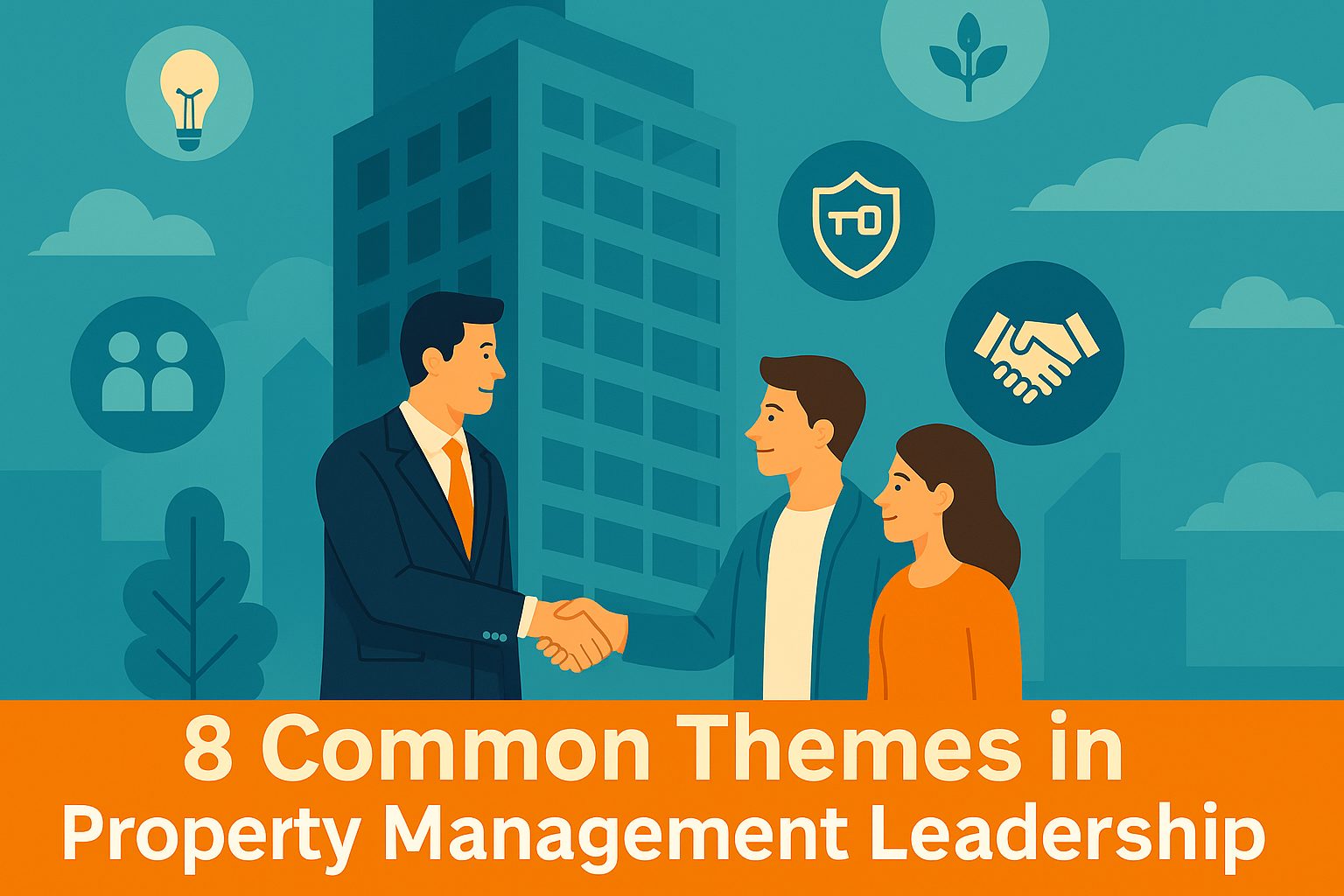
After interviewing just over 40 experts in the world of Property Management, I have found 8 common themes that are quite consistent among Property Managers. I hope you find the themes valuable and I would love to hear your thoughts on them.
1) Falling Into the Industry
If you ask ten property managers how they got into the field, nine, or maybe even all ten, will tell you: “I didn’t plan this.” Unlike professions such as law or accounting, few people go to school aiming to become a property manager. Instead, they “fall into it” and then discover an industry that’s challenging, dynamic, and deeply rewarding.
Sean Kirk (Canderel): “Nobody grows up wanting to be a property manager.”
Stephanie Lemieux (York Property Management): Entered through a temp role as a single mother and discovered a career she thrived in.
Michael Caricari (Canadian Urban): A post-layoff detour led to a 20-year PM career.
Harrison Zivot (Ronmor): “It’s really about seizing opportunities, being patient, and building relationships that last.”
Takeaway
Falling into the industry is more common than you think, and that’s a strength, not a weakness. Leaders who start without preconceived notions often bring fresh perspectives, curiosity, and resilience. Their non-linear journeys prove that the industry values character and adaptability over pedigree.
For those entering property management today, the lesson is simple: don’t wait for the “perfect” opportunity. The right role might be the one you didn’t expect. What matters is your willingness to learn quickly, build relationships, and seize opportunities as they appear.

2) Mentorship & Paying It Forward
Over and over, leaders pointed to a boss, colleague, or mentor who helped them believe in themselves, encouraged them to stay the course, or gave them an opportunity when no one else would.
Ryan Giesbrecht (GWL): A 20-year rise from temp to Regional Ops Manager built on leaders who trusted him.
Phil Sobkow (Charter PM): “A mentor kept me from quitting after 8 months.”
Christina Martin (Hines): “The best part of this industry is helping people grow into roles they never imagined for themselves.”
Morley Bar (Aspen Properties): “We promoted who you are — not asking you to be someone else.”
Takeaway
Mentorship is the hidden curriculum of property management. A single moment of encouragement can be the difference between someone quitting early or becoming a long-term leader.
That’s why the strongest professionals see mentorship not as optional, but as an obligation. Paying it forward builds confidence, transfers knowledge, and strengthens the entire industry.

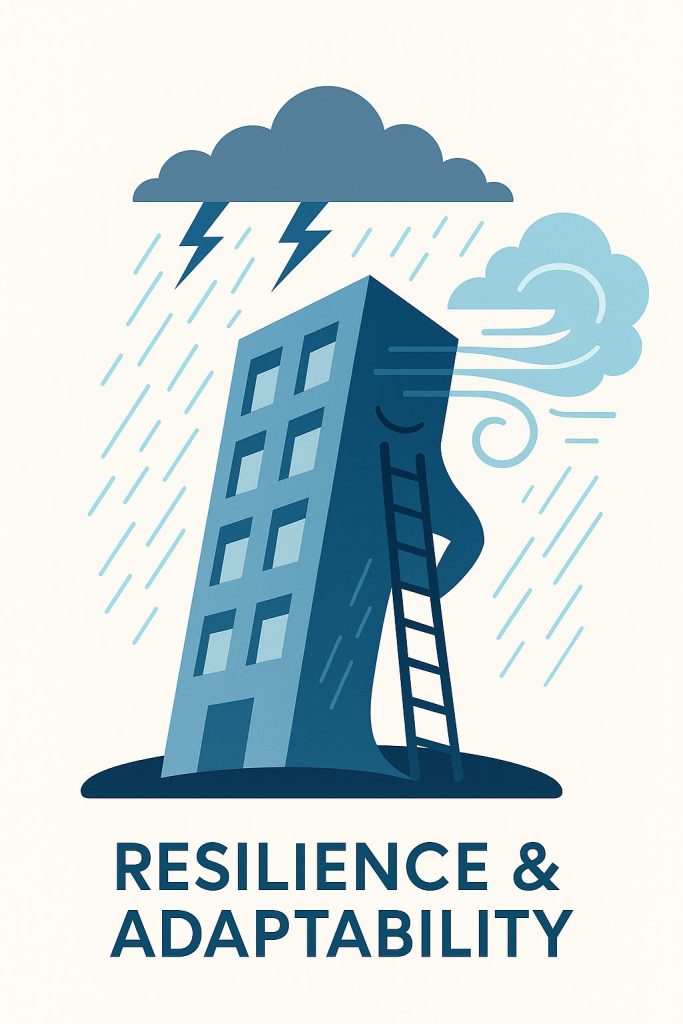
3) Resilience & Adaptability
Change is constant: late-night emergencies, recessions, pandemics, ownership shifts. The ability to stay resilient and adapt quickly separates those who survive from those who thrive.
Margaret Gorska (Epic Property Management): Balanced divorce, single motherhood, and licensing exams — resilience became her brand.
Corbin Staniloff (Armco): “Asset management during COVID was like drinking water from a firehose.”
Denise Froese (Triovest): “Property management will throw challenges at you daily — the key is staying calm and finding solutions.”
Sean Kirk (Canderel): “If you don’t like change, this isn’t the industry for you.”
Takeaway
Resilience isn’t just about surviving difficult seasons — it’s about leading through them. By staying composed under pressure, you provide stability when others feel uncertain.
Adaptability builds on that resilience. Embrace change, pivot processes fast, and prepare your team to move with you — from new tech and budgets to evolving tenant expectations.
4) People & Relationships First
Buildings are the product, but people are the business. Success comes from building strong relationships with tenants, owners, contractors, and teams.
Rhiannon Thomas-Uyar (Concert Properties): “What I love most are the relationships with people.”
Lisa Gibson (Colliers): Standing out comes from being creative and people-focused.
Kevin Humphrys (Epic Property Management): “At the end of the day, our tenants’ experience is the real measure of success.”
Corbin Staniloff (Armco): “Success comes from relationships and never closing doors.”
Takeaway
Contracts and leases matter, but trust, respect, and empathy build durable portfolios. Treat every stakeholder as a long-term partner, not a transaction.
Internally, invest in your team’s growth and well-being. A supported team delivers better tenant experiences — and that shows up in renewals, referrals, and the bottom line profits.

5) Integrity, Values & Trust
When your work involves major assets and multi-year relationships, reputation is everything. Short-term wins mean nothing if they cost you long-term trust.
Sandy Shindleman (Shindico): “Relationships are built over decades, not days — trust is everything in this business.”
Scott Hutcheson (Aspen Properties): “Never tie up a building unless you fully intend to close.”
Stephanie Lemieux (York Property Management): “Tenants should see your values, not a stereotype of a landlord.”
Margaret Gorska (Epic Property Management): “I treat client budgets like my own wallet.”
Takeaway
Integrity is the true currency of property management. Trust, once lost, is hard to regain — protect it relentlessly.
Lead transparently, deliver on promises, and hold yourself to a higher standard than the contract requires. Over time, your reputation compounds like interest.
6) Entrepreneurship & Innovation
This industry is full of builders — people who see problems and create scalable solutions, from software to processes to culture.
Emiel Bril (VendorPM): “Built a platform to fix vendor management inefficiencies.”
Peter Altobelli (Yardi): “From one person’s software to the world’s largest RE tech provider.”
Glenne Manlig (First Service Residential): “Efficiency isn’t about cutting corners — it’s about creating systems that let people do their best work.”
Morley Barr (Aspen Properties): “Caret started as a tenant engagement app, now used across Canada.”
Takeaway
Entrepreneurship thrives on curiosity and courage. Question “how it’s always been,” test new approaches, and scale what works.
Innovation isn’t only tech — it can be a simple process that saves hours a week or a culture shift that unlocks initiative. Small, repeatable wins add up fast.

7) Community & Purpose
The best leaders see themselves as community builders, shaping how people live, work, and connect.
Bernadette Majdell (HomeSpace): “No one can succeed in life without safe housing.”
Benjamin Shinewald (BOMA Canada): “Those who give to the industry get the most back.”
Tanya Befus (QuadReal): “When we manage well, we’re not just looking after buildings — we’re shaping the places people call home.”
Takeaway
Purpose fuels performance. When teams see the human impact of their work, they bring more care and creativity to every task.
Engage with your local community and industry groups (like BOMA). Advocacy and service expand your network and your impact.

8) Sustainability & Stewardship
Sustainability is table stakes — central to long-term asset strategy and community well-being.
Lachlan MacQuarrie (Intelligent Buildings): “The smart building movement is inseparable from sustainability.”
Peter Altobelli (Yardi): “Tech helps clients manage energy and meet sustainability targets.”
Rhiannon Thomas-Uyar (Concert Properties): Concert’s mission is to build strong, sustainable communities.
Takeaway
Sustainability is stewardship — the discipline of making today’s decisions with tomorrow in mind. Energy savings, indoor environmental quality, and resilience planning are competitive advantages.
Tenants and investors expect ESG leadership. The PMs who master it win renewals, reduce risk, and future-proof their portfolios.
See how we support sustainability: Green Cleaning Practices | People • Planet • Community
Conclusion & Next Steps
Across 40+ podcast conversations, the same lessons surfaced again and again. Careers may start by accident, but they grow through resilience and adaptability. Mentors open doors — and the best leaders repay that investment by guiding others. Relationships and integrity are the bedrock of trust, while innovation and sustainability are reshaping the industry’s future. Above all, property managers are not just asset managers; they are community builders.
At Picture Perfect Cleaning, these themes resonate deeply. We don’t see ourselves as just a janitorial provider — we’re partners to property managers who lead with integrity, foster community, and build a sustainable future. From green cleaning to our People • Planet • Community initiatives, our purpose is to support the leaders who make these themes real every day.
Looking for a cleaning partner who understands property management?
We serve property managers across Calgary & Edmonton with reliable, sustainable cleaning services designed for tenant experience and operational efficiency.
Want to hear these lessons directly from the leaders themselves? Explore episodes of the Mastering Property Management podcast here and share your takeaways with us.