Call us

How To Prevent Germs From Spreading In The Workplace

By Jared Sarbit

We’re already being warned that it’s going to be a particularly bad season for respiratory viruses, and we can attest that almost everyone we know is, or has recently been sick with something.  When you combine that with employees heading back to the office in droves, it’s never been more important to take steps to prevent germs from spreading in the workplace!  Please do not wait until you are feeling ill to start implementing these strategies.

  1. Wash your hands

We’ve been hearing this for years now, and for good reason.  Properly washing your hands is one of the easiest and best ways to prevent the spread of germs.  You should be using soap and water and scrubbing for at least 20 seconds.  Be mindful to scrub well!  Make sure to include the backs of your hands, in between your fingers and underneath your fingernails.  Hand sanitizer also does a good job of killing germs and will do in a pinch if water is not readily available.  Be sure to wash frequently, especially after using the washroom, before and after handling food, and after coughing or sneezing.

  1. Clean high touch areas often

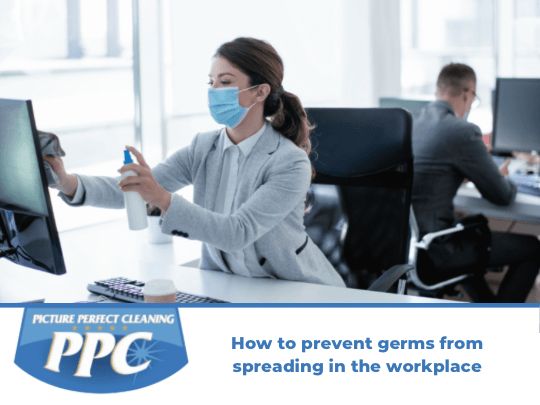
Germs can travel quickly with several hands touching the same surfaces like how germs quickly grow in keyboards. High touch areas such as light switches, door handles, phone receivers, coffee pot handles and keyboards should be wiped down with a disinfectant wipe often to help kill germs and prevent their spread.  Shared spaces such as bathrooms, counters, desktops, etc will also benefit from a wipe down.                        

  1. Cover your mouth when you cough or sneeze

Also, try not to cough or sneeze directly into your hands!  It’s better to use a tissue or cough into your elbow.  Don’t forget to wash your hands after coughing or sneezing.

  1. Avoid touching your face

Try to be conscious of the amount of times you are touching your eyes, nose or mouth.  These are entry points for germs and we touch them more often than most people realize.

  1. Keep your own workspace tidy

Having a messy desk (on top of being distracting) can encourage germs and bacteria to thrive.  Make sure to organize and disinfect your space and throw away any coffee cups or other garbage.  Avoid eating at your desk if possible.

  1. Stay home when you’re sick

Despite all your best efforts, sometimes you still get sick.  When this happens, please stay home to avoid spreading germs to others.  Make sure to rest, get plenty of fluids and recover so that you can return soon in full health!  Make sure to see your health care provider when necessary.

Remember, you don’t need to be a germaphobe to practice good hygiene.  While it’s impossible to completely eliminate all germs and bacteria, if everyone in the workplace takes the initiative to prevent its spread, workplace illness can be greatly reduced!  Keeping the office clean and sanitary is everyone’s responsibility and the workplace can be a healthier, safer place even in the midst of flu season. 


Related Article:
  1. Office Deep Cleaning: What Is It and Why Do You Need It
Cost Calculator

What Is In-House Cleaning Really Costing You?

Adjust the four numbers below to see your true annual in-house cleaning cost, an estimated cost range with Picture Perfect Cleaning, and what you'd save by making the switch.

Annual wages plus benefits for your cleaning staff
$
Annual spend on products, tools, and machine upkeep
$
Hours per week spent scheduling and supervising cleaning
hrs/wk
Average per cleaning staff member, per year
days/yr

Your Cost Comparison

True In-House Cost
$0
Est. PPC Cost Range
$0 – $0
Estimated Annual Savings by Outsourcing
$0
Based on the average of your PPC estimated range
Get a Custom Quote and See Your Savings →

Estimates are based on average commercial cleaning rates across Alberta and typical management and coverage costs. Your actual quote depends on square footage, service frequency, facility type, and scope of work. Request a custom quote above for an exact number.

The Hidden Cost of In-House Cleaning

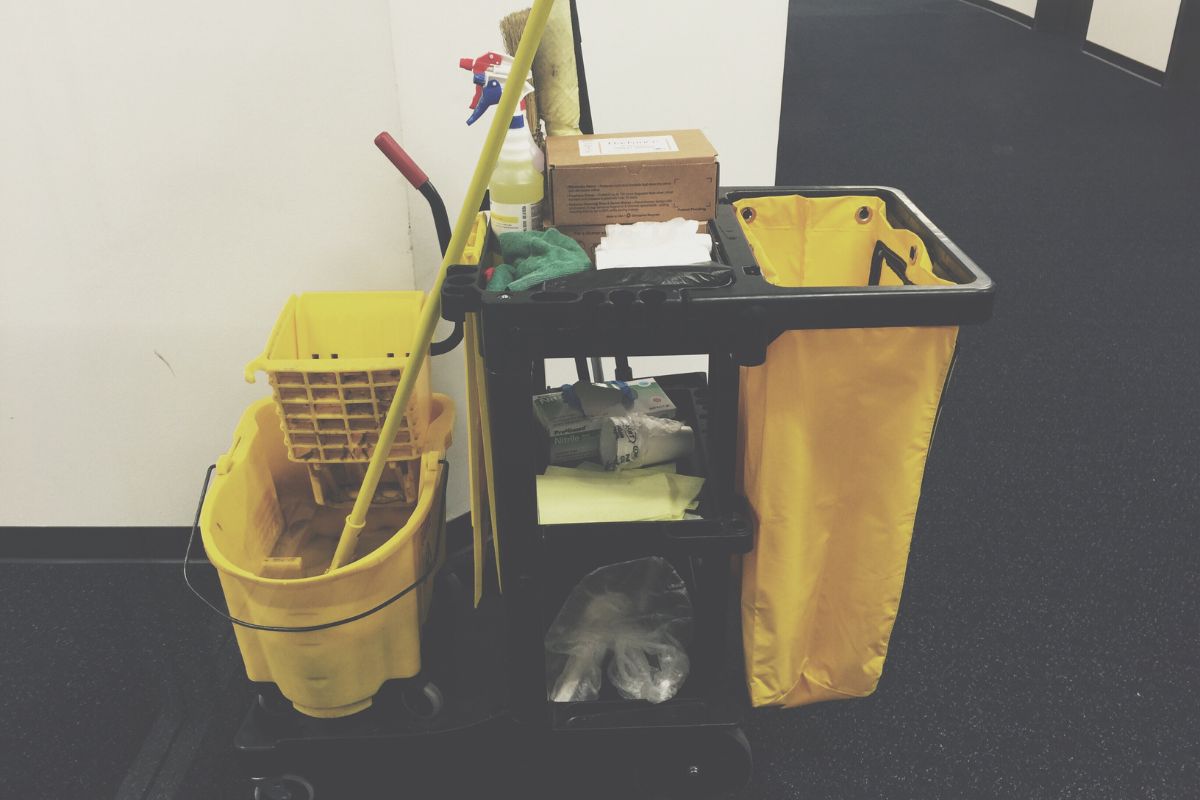
A professional cleaning supply cart inside a commercial office building with yellow mop and bucket attached to one side of a black push cart, and a garbage bag on the other.

A wage comparison only tells part of the story. Here’s what usually gets left out:

Wages and Benefits

Payroll is usually the first number people look at when they think about cleaning costs, but it rarely tells the whole story. Supplies, equipment, manager oversight, scheduling headaches, and the inevitable sick days all add up over time. By the time you account for everything, the true cost of keeping cleaning in-house can look very different from what’s on the payroll report. That’s exactly what our cost comparison tool is designed to help you see, along with what outsourcing might save.

Supplies and Equipment

Cleaning products, paper goods, vacuums, floor machines, and the replacement parts that keep them running all add up over the course of a year. Businesses that clean in-house often buy retail-grade supplies at retail prices because they don’t have access to the commercial pricing that a cleaning company gets from its suppliers. Equipment also breaks down, and replacing a vacuum or floor buffer every few years is a cost that rarely gets planned for in advance.

Management Time

Somebody has to schedule shifts, check the quality of the work, order more supplies when they run low, and step in when something gets missed. That’s real time pulled from a manager’s actual job, and it rarely gets assigned a dollar value, even though it should. If a facilities manager or office lead spends even a few hours a week on cleaning oversight, that’s time not spent on the parts of their role that actually move the business forward.

Absenteeism and Coverage Gaps

Sick days and missed shifts are part of running any team. When they happen, the work still has to get done, which usually means paying someone else to cover the shift or accepting that some tasks will have to wait. Over the course of a year, those extra costs can become surprisingly significant. There’s another effect that’s harder to measure, too. When cleaning is inconsistent, people notice. Employees notice it, clients notice it, and visitors notice it, even if they couldn’t tell you exactly why the space feels different.

Cost Category What It Covers
Wages & Benefits Annual pay for in-house cleaning staff
Supplies & Equipment Products, tools, and machine upkeep
Management Time Hours spent scheduling and supervising
Absenteeism Missed shifts and last-minute coverage

Why Outsourcing Often Comes Out Ahead

Two professional cleaners, both wearing light blue t-shirts under black coveralls with black caps in an office building ready for their work day.

Once you’ve seen your own numbers, the reasons behind the gap start to make sense.

Predictable Pricing

A cleaning company quote covers labor, supplies, and equipment on a single line. You know what you’re paying before the work starts, and that number doesn’t shift because someone called in sick or a vacuum broke down. Budgeting gets easier when the cost of cleaning is a single line item rather than four separate ones scattered across payroll, supplies, and management time.

No Coverage Gaps

When a member of an in-house cleaning team calls in sick, someone on your staff has to figure out what happens next. With a professional cleaning service, that responsibility shifts to the provider. If a cleaner is unavailable, arranging a replacement is part of the service, so your team isn’t left scrambling to fill the gap.

Accountability Built In

Picture Perfect Cleaning holds COR certification and provides regular service reporting, so you can see what’s being done and when, without spending your own hours checking on it. That’s the management time most in-house teams never get back. Our team also uses EcoLogo- and Green Seal-certified products, so you’re not trading cost savings for a lower cleaning standard.

Get Your Custom Quote

Wages are only one line in what in-house cleaning actually costs. Once you add in supplies, the hours a manager spends overseeing the crew, and the gaps left by sick days, the real number is usually higher than what shows up on a payroll report and often higher than what a professional service would charge for the same work. That’s the gap the tool above is built to show you, along with what outsourcing could put back in your budget.

Our cost comparison tool gives you a reasonable estimate of what you could save by switching to a professional cleaning service, not a final number. Every building is different, and factors like your cleaning schedule, the size of your facility, and the services you need will affect the actual cost. If you’d like a more accurate quote based on your space, contact Picture Perfect Cleaning, and we’ll walk you through the options.