Summary
Commercial cleaning companies must hire well-trained, skilled staff who are able to operate efficiently within strict schedules, can adapt to varied environments, and can follow ever-evolving sanitation regulations. Core competencies such as time management, physical stamina, problem-solving, discretion, and regulatory knowledge enable Picture Perfect Cleaning’s staff to deliver consistent, safe, and compliant service across commercial and industrial facilities.
| Time to Read | ~7–9 minutes |
| What You’ll Learn | – The core skills commercial cleaners need to meet modern client expectations and sanitation standards – How operational support (scheduling, documentation, supply planning) impacts on-site cleaning quality – Where each skill shows up on the job, from after-hours discretion to adapting methods for different surfaces and regulations |
| Next Steps | – Turn these skills into a hiring/training checklist (time management, admin support, fitness, problem-solving, discretion, regulation knowledge) – Audit your current cleaning plan for weak points (missed windows, inconsistent quality, poor documentation, unclear protocols) – Partner with commercial janitorial partners who can provide the required expertise and support for your in-house staff |
Professional cleaning companies are held to a higher standard than ever before. To work in today’s commercial environments, you need more than just basic cleaning skills. Cleaners must be able to demonstrate professionalism, technical knowledge, problem-solving skills, and adaptability to meet client expectations and regulatory requirements.
From managing strict schedules to navigating complex sanitation standards, skilled commercial cleaners play a critical role in maintaining safe, functional workplaces. Picture Perfect Cleaning has compiled a list of some of the top skills required for a successful commercial cleaning staff and how they apply in real-world environments.
Time Management
Commercial cleaning is a game of strict deadlines. Cleaners often work around business hours, shift changes, and production timelines, leaving little room for delays. Coordinating multiple locations, service scopes, and time-sensitive tasks requires strong time management from both cleaning staff and administrative teams to ensure work is completed properly and on schedule.
How to Improve These Skills
Time management can be developed through hands-on experience, structured scheduling systems, and clear job planning. Focus on developing organizational skills, prioritizing tasks, estimating workloads accurately, and learning to adapt when schedules change unexpectedly (which happens more often than you’d think).
Where Time Management Matters Most
- Being able to complete cleaning tasks within narrow after-hours or peak-time windows
- Coordinating services across multiple client locations
- Ensuring consistent service quality without rushing or cutting corners
Administrative Skills
Great cleaners have a great team working behind the scenes. From scheduling and staffing to supply management and client communication, administrative skills ensure that cleaning operations run smoothly before, during, and after each job.
How to Improve These Skills
Administrative skills can be improved through structured processes and repetition. Learning to use scheduling software, maintaining clear and organized documentation, and communicating clearly and promptly with both clients and cleaning staff all play an important role in building these skills.
Where Administrative Skills Matter Most
- Coordinating recurring cleaning schedules across multiple clients, sites, and staff members
- Managing service changes, special requests, or access updates
- Ensuring cleaners arrive prepared with the proper equipment and supplies
Physical Fitness & Stamina
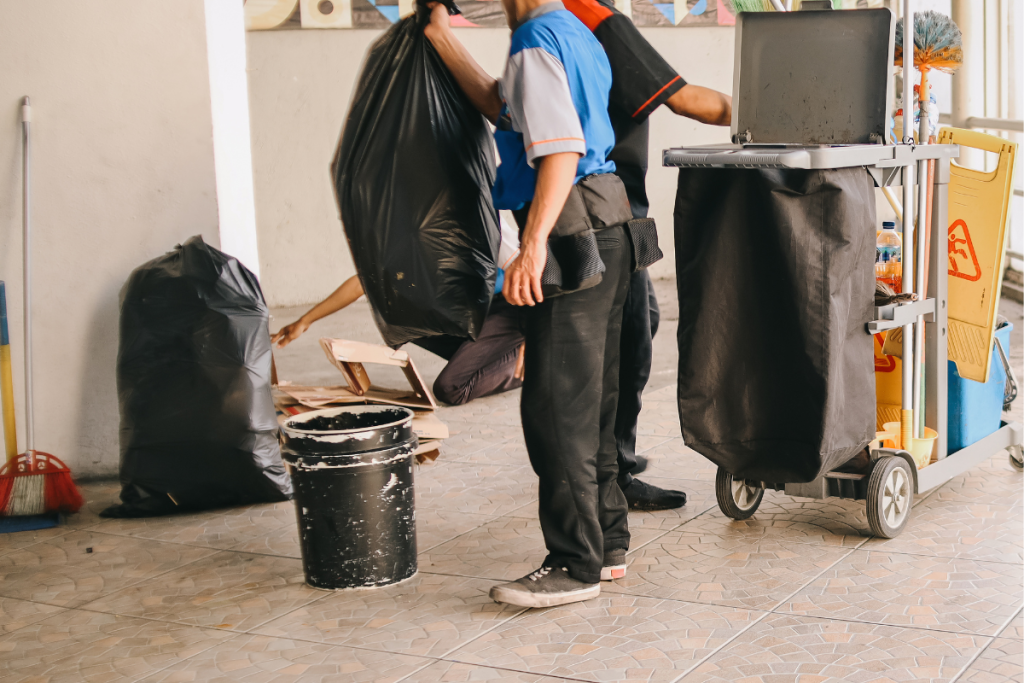
Physical fitness may not be the first thing you think of when discussing cleaning staff skills; however, the job is more physically demanding than most people think. Large facilities, multi-level buildings, and high-traffic spaces require cleaners to stay active, focused, and consistent throughout long shifts.
How to Improve These Skills
You don’t need to be a marathon runner to be a commercial cleaner, but it does require the ability to perform repetitive tasks safely and efficiently day after day. With proper training and lifting techniques, regular movement, learning how to pace work through a shift, and using the appropriate equipment (and clothing!), physical fitness and stamina will develop naturally over time.
Where Physical Fitness & Stamina Matter Most
- Cleaning large floor areas or multi-level buildings
- Repetitive tasks such as vacuuming, scrubbing, and lifting equipment
- Maintaining productivity over extended shifts
Problem Solving
No two commercial cleaning jobs are exactly alike. Different buildings, surfaces, layouts, and client expectations require cleaners to assess each environment before work begins.
Problem-solving allows cleaning staff to choose safe, effective methods and adjust when conditions change. This includes recognizing surface types, selecting appropriate products, and responding calmly to unexpected challenges.
How to Improve These Skills
Problem-solving skills develop through experience and exposure to different environments. Training will help you learn how to assess surfaces, follow safety guidelines, and make informed decisions without rushing or guessing. These skills can also be honed by engaging in brain teasers, puzzles, and strategy games like chess.
Where Problem Solving Matters Most
- Selecting products that are safe for specific surfaces and situations
- Adapting cleaning methods for sensitive equipment, materials, or even individuals within the environment
- Handling unfamiliar environments, picky clients, or last-minute changes
Discretion
Commercial cleaners are often trusted with unsupervised access to offices, facilities, and sensitive areas. This requires professionalism, sound judgment, and respect for client boundaries at all times.
Discretion is not just about following rules. It is about understanding context and behaving appropriately in spaces that do not belong to you. Clients rely on cleaning staff to work responsibly without drawing attention, sharing information, or engaging in behavior that could compromise trust.
How to Improve These Skills
Developing discretion involves becoming more aware of your personal reactions and biases so they don’t affect on-site behavior. It also often means pausing before speaking or acting in unfamiliar or sensitive environments and avoiding gossip or discussion about client spaces, staff, or information. You’ll also need to understand that your behavior, including digital behavior, reflects on the company that you work for as a whole.
Where Discretion Matters Most
- After-hours or weekend cleaning when staff are unsupervised
- Working in offices with confidential documents, records, or secure equipment
- Maintaining professional conduct on-site, including avoiding social media use while working
Regulation & Sanitation Knowledge
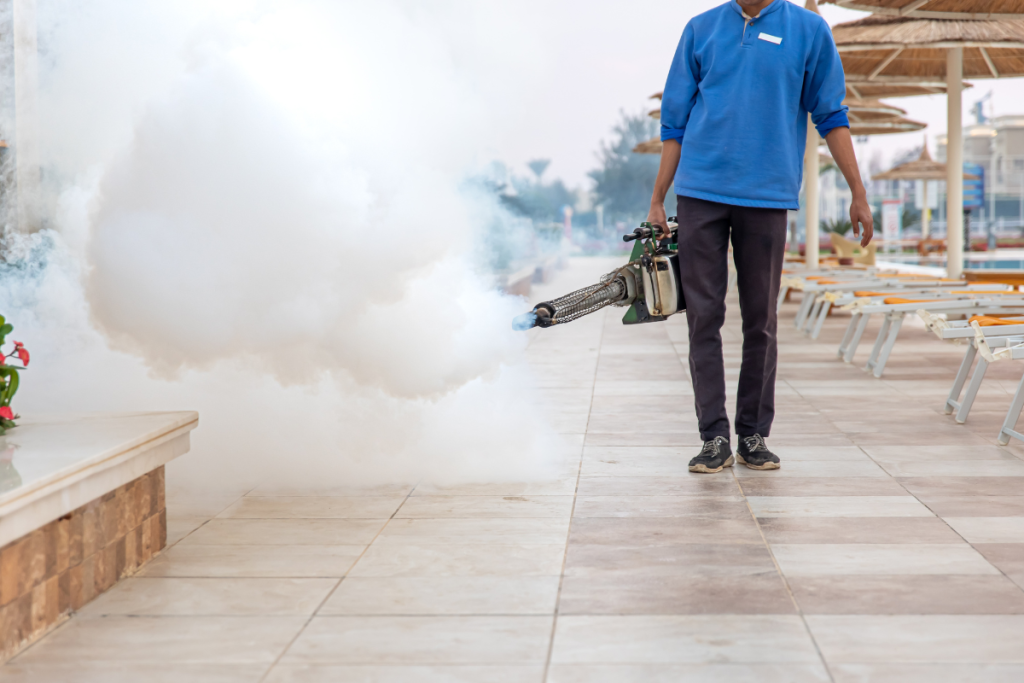
Sanitation standards and cleaning regulations change over time, and commercial cleaning staff need to stay informed. Different facilities also have different expectations depending on who uses the space. For example, schools and daycare centers may need fogging services before a term to disinfect thoroughly before classes resume.
Regulation knowledge allows cleaners to apply the correct methods for disinfection, sanitation, and hygiene while meeting local and industry-specific requirements.
How to Improve These Skills
You can improve your regulatory and sanitation knowledge by staying up to date on ever-evolving standards, including ongoing training, studying protocols for different facilities and client needs, learning the rules and regulations of your area (and surrounding areas), and keeping abreast of changing sanitation standards.
Where Regulation & Sanitation Knowledge Matters Most
- Cleaning schools, daycares, and healthcare-adjacent facilities where vulnerable people may be
- Providing enhanced disinfection or fogging services
- Adjusting protocols in response to new regulations or health guidance
Get Ready To See the Picture Perfect Difference
Commercial cleaning is more than a checklist (though we do recommend having one of those, too!). It requires a well-trained, professional staff who understand timing, safety, discretion, and sanitation standards. Skilled cleaning staff help maintain healthier workplaces, protect assets, and ensure consistent service across a wide range of commercial environments.
Picture Perfect Cleaning only employs cleaners of the highest quality for your job. If you’re looking for reliable, prompt, and professional janitorial services for your business, speak with one of our friendly representatives today.