Picture Perfect Cleaning has an effective system to completely disinfect your place of work. But what does that even mean?
Our Victory Electro Static Sprayer provides an electrical charge to our botanical disinfectant solution, allowing the solution to wrap around surfaces with an effective and even coverage. Double-charged particles envelope the conductive surfaces to fully disinfect them.
The solution we use is a botanical, plant based disinfectant, which is completely safe for everyone, including children, and kills 99.99% of all viruses and bacteria when properly used, including the Coronavirus.
To better understand the difference between sanitizing and disinfecting, how we will eliminate the risk of viruses from your place of work, what type of safe chemicals we use, and more, continue reading below.
Having your office, school or any place of work, clean has never been more important to our health. As it turns out, consumers greatly value cleanliness as well. That’s why we take our business as seriously as we do. When it comes to our homes and workspaces, the spread of viruses, germs and bacteria create the threat of illness or, as we are sadly now seeing, potentially death.
So, to protect our health (physical and mental) from these invasive viruses, we utilize the wonderful solution that is sterilization. Or at least, we think we do.
What Does “Sterile” Really Mean?
Unfortunately, if you went to the street to ask passers-by, you might think this was a subjective concept. Sterile means that something is free of any microorganisms – no bacteria, no germs; essentially, no life.
A sterile environment is difficult to create. Many research laboratories will use sterile environments to prevent contamination of various microorganisms from others. Ever seen someone in one of those hazmat suits on television? That idea gives you a picture of the effort that is sometimes necessary for proper sterilization.
Sanitizing Vs Disinfecting
To sanitize something – say, your hands – means that you are reducing the number of bacteria on a surface, not totally eliminating. Using the idea of hand sanitizer, this makes sense: our hands are likely to be contaminated frequently, so there’s no point in constantly disinfecting them.
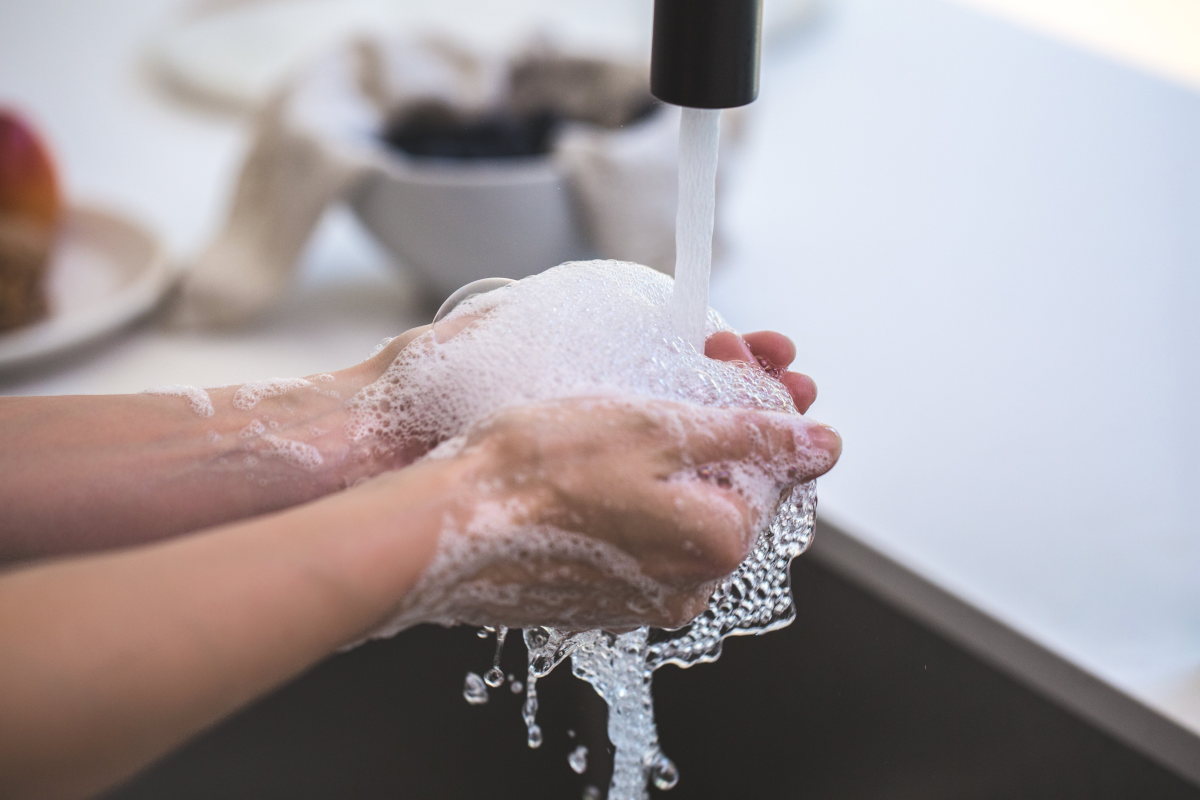
Disinfecting means that you are killing bacteria and creating a hostile environment, so if there are any survivors they will not be able to reproduce. Properly washing your hands with hot water and soap will disinfect them of bacteria (for a time). Think of using hand sanitizer after riding public transit, compared to washing your hands thoroughly after touching raw meats.
Watch this video below to see how we train our custodians on how to properly disinfect the work place. There are many excellent tips in this video on how to properly disinfect.
How Disinfectants Work
Disinfectants are commonly used to clean houses, schools, hospitals and other spaces. Disinfectant sprays and wipes are a cleanliness staple for many, and many products are advertised as able to kill 99.99% of bacteria and germs. They can’t say 100% because no-one but you knows what areas you will be using them on – cracks and crevices are where the survivors hide.
However, they often give directions for how to use products as either a sanitizing agent or a disinfectant. Often, to disinfect you simply need to use the product for a longer amount of time or in a higher volume than if you were to sanitize.
Disinfectants use ingredients like ethanol and isopropyl alcohol. These agents disinfect by not only killing bacteria but creating an antiseptic environment in their wake.
In our Victory Spray gun that you see in our video, we are using a chemical called BioEsque to disinfect and eliminate COVID-19. As we know, Health Canada has established a list of products which are effective against human coronavirus strain 229E and likely to kill the SARS-CoV-2 virus that causes COVID-19 illness. Here is a link to the list on the Health Canada website. BioEsque is on page 14 and is the only botanical product on the entire list. Company listed is M2 who own the THYMOX technology.
See also: What’s in Your Cleaning Solution?
When NOT To Sterilize
The Difference Between Sterilizing & Cleaning
Clean is defined as the removal of visible blemishes such as dirt, stains and other debris. Sterilization is cleaning but on a microscopic level. You can’t sterilize before you clean!
By removing mud, dirt or other messy by-products first, you create the optimal setting to sterilize. Your sterilization methods will be 100% more effective if you take the time to tidy first. For example, wiping a counter down to get rid of crumbs and spills before spraying it with a disinfectant.
Is Sterilization Always Appropriate?
With the above in mind, do you really need to sterilize or will cleaning be enough? This is where things can be a bit more subjective. Do you need to sterilize your bathroom floor, or do you need to give it a good mop? Should you be sterilizing your kitchen surfaces every day, or is this a task to leave with the deep clean?
There are certain tasks that demand the care it takes to properly sterilize a surface. Before and after cooking, particularly when raw meats or proteins are part of the recipe. When using baby feeding products, such as bottles and their accessories, with a newborn child. After a nasty cold or flu, or when leaving somewhere where these germs may have been transmitted to you.
But are there really many other common instances that call for sterilization?
The Problem With Over-Doing It
With the COVID-19, times are very different. Washing and sanitizing your hands as much as possible, is a good thing during this time.
For normal times, when we are not concerned about COVID-19, if you are constantly sanitizing your hands with products that contain harsh alcohols, or forever using bleach on your kitchen counters, you could be putting yourself and your family at risk.
We need a lot of bacteria present in our bodies to function – good and bad. The “bad” ones, like cold viruses, are integral to developing our immune system and therefore creating protection against dangerous illnesses.
If we are not exposed to a high variety of germs and unfamiliar microorganisms, we cannot develop our immune systems to fight against similar germs that could actually present serious harm to us. This is especially true for children. However, we must stress, during this unprecedented time, we do recommend washing your hands and using hand sanitizer regularly, when out in public or at the work place. At home, washing your hands well and frequently is ideal.
Dangerous Products
Further, consistent exposure to chemicals like bleach and ammonia are terrible for our health. For one thing, consistently getting these agents out to use them for common cleaning purposes increases the chances you could spill them. This could result in anything from a ruined carpet to a chemical burn.
Using dangerous products regularly can also expose you to a subtle build-up of toxicity, similar to the way smoking cigarettes will eventually catch up with you. As long as you are not using these harsh products more than a few times a month, you should be ok.
It is not always necessary to use harsh chemicals to sterilize: if you need the peace of mind that sterilizing your baby’s soother brings, boil it. Using our BioEsque Botanical chemical is extremely safe, plant based, and does everything required to disinfect.
See also: Six Reasons You Why You Should Stop Using Toxic Cleaning Solutions
In Review: Things To Remember
- Sterilization is not always necessary, but when it is, you should be sure to do so properly.
- Use agents that kill bacteria, not deplete them – sanitizing and sterilizing are not the same. Disinfectants are extremely useful for sterilizing common surfaces.
- Educate yourself on the best ways to clean or sterilize for different jobs, and when sterilization is actually necessary.
- When we are not concerned about COVID-19, don’t over-sterilize! This can present a variety of health concerns.
- When you are unsure of how to handle a cleaning job, get in touch with the pros – we are always happy to help!