Call us

The Story of the N95 Mask

By Jared Sarbit

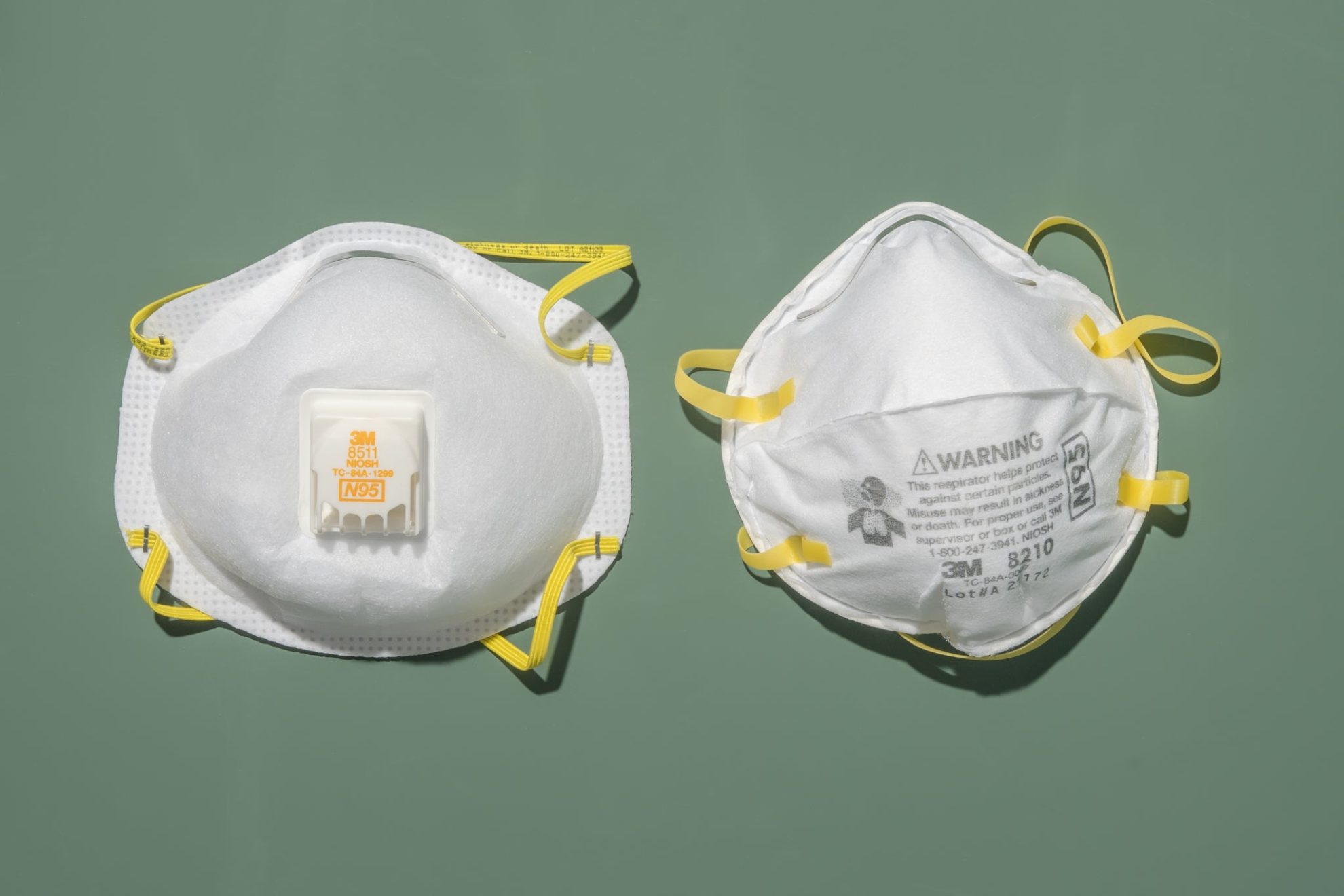
With the world in a pandemic, the N95 Mask has become one of the most desired products on the market. The mask has been the center of political controversies,  has been used as an olive branch to bridge political relationships, and has been caught up in legal battles for price gauging.

What is the N95 Mask? Who, where and when was it invented? Is it actually better than a scarf or a surgical mask? Does it really help protect people from contracting COVID-19? Or does it provide a false sense of security? We will be exploring all these questions in the following blog.

What is the N95 Mask?

Wearing an N95 Mask does not replace washing one’s hands and keeping 2 meters (or 6 feet) apart; However, it certainly does have its benefits.

Not all masks are the same. The N95 Mask is made of tough, yet flexible, non-woven, electrostatic, polypropylene fiber. It reduces 95% of 0.3 micron-particles, meaning that the masks filter out contaminants like dusts, mists and fumes. According to the Centers of Disease Control and Prevention (CDC), particulates and droplets larger than 0.3 microns will not pass through the barrier.

The “N” of “N95”stands for “Non-Oil,” meaning so long as there are no oil-based particulates present, then the mask can be used in the work environment.

The“95” stands for 95% efficiency. Other masks have a 99% efficiency, and they end in 99. Masks ending in 100 are 99.97% efficient, and they end with 100 in their name. These 100 masks would be considered HEPA quality filtered.

How do we know the effectiveness of the Mask?

In a 2014 study, researchers tested 44 masks, along with the N95 Masks and similar equivalent respirators, surgical and dental masks, general cotton masks, and handkerchiefs. Each mask was tested on particle penetration.

The results proved that the N95 Masks blocked more than 95% of all particles. The surgical mask was around 40% effective, with the dental masks coming in close to 60%. Cotton masks were close to 30% and cotton handkerchiefs ranged from 2%-13% (depending on how many layers).

What are the origins of Mask?

The N95 Mask has a longer history then some might realize. The original mind behind creating a face mask, which, years later, eventually became the N95 Mask, came from a man born in Penang, Malaysia, named Dr Wu Lien Teh.

Dr. Wu Lien Teh, creator of the face mask
Dr. Wu Lien Teh

Dr Wu Lien Teh, was a Cambridge Scholar and was motivated to find a way to protect individuals lives from the plague. His great body of work began in 1910, in China, where some 60,000 people died from a plague outbreak.

To better understand the plague, he performed an autopsy on the body of a plague victim. The assumption was that the plague was being transmitted by flea-infested rats. However, by doing this autopsy, Dr Wu Lien Teh discovered that the epidemic was caused by a pneumonic plague that is transmitted by bodily fluids.

Despite much initial skepticism by the medical community, by 1918, the mask proved to be an invaluable protective gear against the Spanish Flu.

Dr. Wu went on to become one of the world’s leading minds behind controlling flu outbreaks. In 1935, he was nominated for the Nobel Prize. He also had a statue dedicated to him at the Harbin Medical University, the city where he did much of his work.

Dr. Wu Lien Teh inventor of the mask
Dr. Wu Lien Teh Memorial

Who invented the technology for the Mask?

Building upon Dr. Wu’s work, and others along the way, in 1995, a professor at the University of Tennessee, by the name of Peter Tsai patented the technology of the N95 Mask. He first developed the anti-viral, electrostatic technology to prevent the spread of drug-resistant tuberculosis.

What made Tsai’s technology so unique and efficient, was that he discovered that a charged medium has 10 times the filtration efficiency of an uncharged medium, meaning that one ply of charged fabric can have the same power as 10 plies of the same uncharged fabric, and better air permeability as well.

Professor Peter Tsai

The N95 Mask, which Tsai designed, has four layers. They are usually made of spun-bond non-woven and thermal bond non-woven fabrics, which have low filtration efficiency and breathing resistance, and primarily work to contain the middle layer.

The middle layer is made of melt-blown, non-woven fabrics. This seals any gas through which the sub-micron particles might be able to pass. The fibre has embedded into it a permanent charge to form an electrostatic charge.

Due to the current situation, with COVID-19, and the major shortage of N95 Masks, Dr Tsai has come out of retirement to help research ways to disinfect single use masks that he originally designed.

“I just want to help people, and just do my job,” Tsai said in an interview with Morning Edition.

Summary

Turns out, what looks like such a simple face mask has over one hundred years of research put into it, and more importantly, some truly brilliant minds. We are so grateful for Dr. Wu and Professor Tsai’s incredible work to save so many lives! These two individuals must be celebrated!

We at Picture Perfect Cleaning, in Calgary, Alberta, are extremely grateful for Dr. Wu and Professor Tsai, so that we can deploy our amazing custodians to our clients properties, feeling safe and secure as they clean their facilities.

The Story of the N95 Mask | Picture Perfect Cleaning, Inc. — Calgary, Alberta
Cost Calculator

What Is In-House Cleaning Really Costing You?

Adjust the four numbers below to see your true annual in-house cleaning cost, an estimated cost range with Picture Perfect Cleaning, and what you'd save by making the switch.

Annual wages plus benefits for your cleaning staff
$
Annual spend on products, tools, and machine upkeep
$
Hours per week spent scheduling and supervising cleaning
hrs/wk
Average per cleaning staff member, per year
days/yr

Your Cost Comparison

True In-House Cost
$0
Est. PPC Cost Range
$0 – $0
Estimated Annual Savings by Outsourcing
$0
Based on the average of your PPC estimated range
Get a Custom Quote and See Your Savings →

Estimates are based on average commercial cleaning rates across Alberta and typical management and coverage costs. Your actual quote depends on square footage, service frequency, facility type, and scope of work. Request a custom quote above for an exact number.

The Hidden Cost of In-House Cleaning

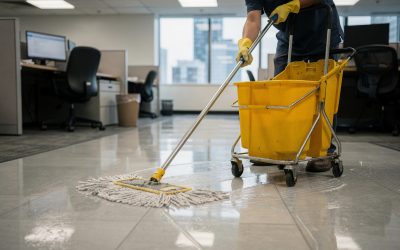
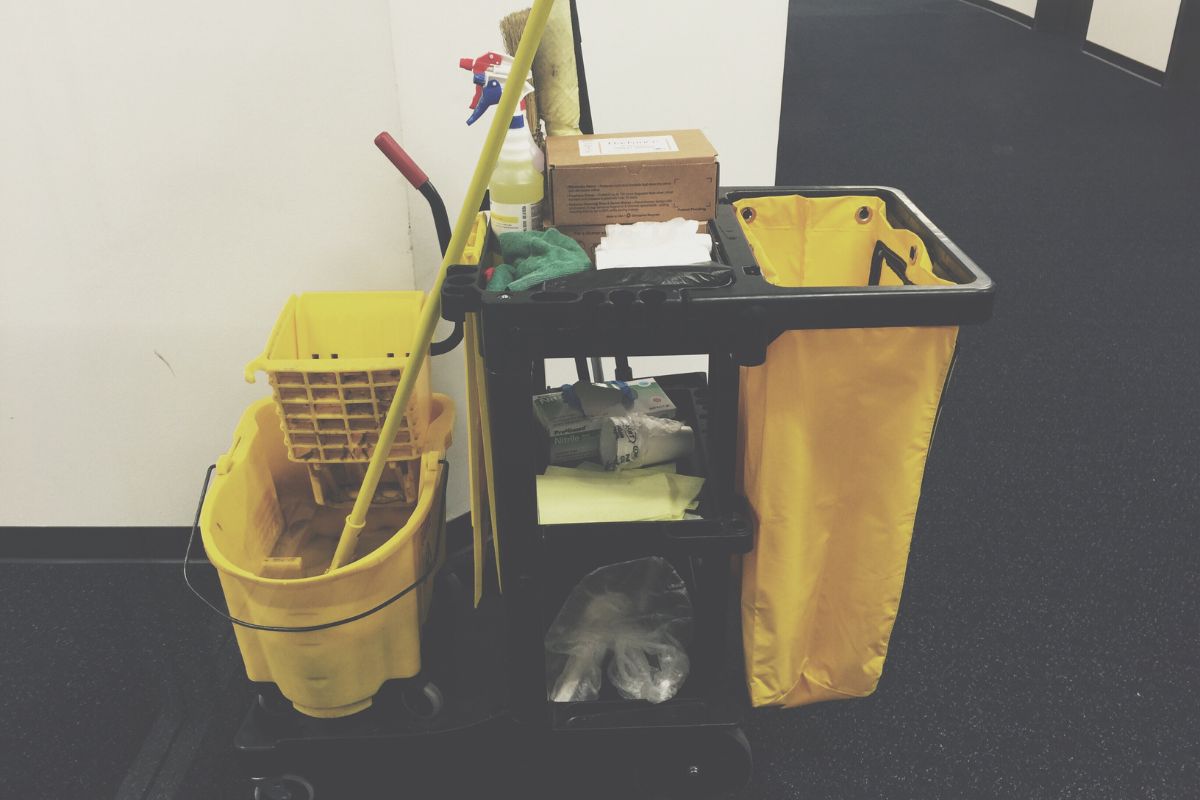
A professional cleaning supply cart inside a commercial office building with yellow mop and bucket attached to one side of a black push cart, and a garbage bag on the other.

A wage comparison only tells part of the story. Here’s what usually gets left out:

Wages and Benefits

Payroll is usually the first number people look at when they think about cleaning costs, but it rarely tells the whole story. Supplies, equipment, manager oversight, scheduling headaches, and the inevitable sick days all add up over time. By the time you account for everything, the true cost of keeping cleaning in-house can look very different from what’s on the payroll report. That’s exactly what our cost comparison tool is designed to help you see, along with what outsourcing might save.

Supplies and Equipment

Cleaning products, paper goods, vacuums, floor machines, and the replacement parts that keep them running all add up over the course of a year. Businesses that clean in-house often buy retail-grade supplies at retail prices because they don’t have access to the commercial pricing that a cleaning company gets from its suppliers. Equipment also breaks down, and replacing a vacuum or floor buffer every few years is a cost that rarely gets planned for in advance.

Management Time

Somebody has to schedule shifts, check the quality of the work, order more supplies when they run low, and step in when something gets missed. That’s real time pulled from a manager’s actual job, and it rarely gets assigned a dollar value, even though it should. If a facilities manager or office lead spends even a few hours a week on cleaning oversight, that’s time not spent on the parts of their role that actually move the business forward.

Absenteeism and Coverage Gaps

Sick days and missed shifts are part of running any team. When they happen, the work still has to get done, which usually means paying someone else to cover the shift or accepting that some tasks will have to wait. Over the course of a year, those extra costs can become surprisingly significant. There’s another effect that’s harder to measure, too. When cleaning is inconsistent, people notice. Employees notice it, clients notice it, and visitors notice it, even if they couldn’t tell you exactly why the space feels different.

Cost Category What It Covers
Wages & Benefits Annual pay for in-house cleaning staff
Supplies & Equipment Products, tools, and machine upkeep
Management Time Hours spent scheduling and supervising
Absenteeism Missed shifts and last-minute coverage

Why Outsourcing Often Comes Out Ahead

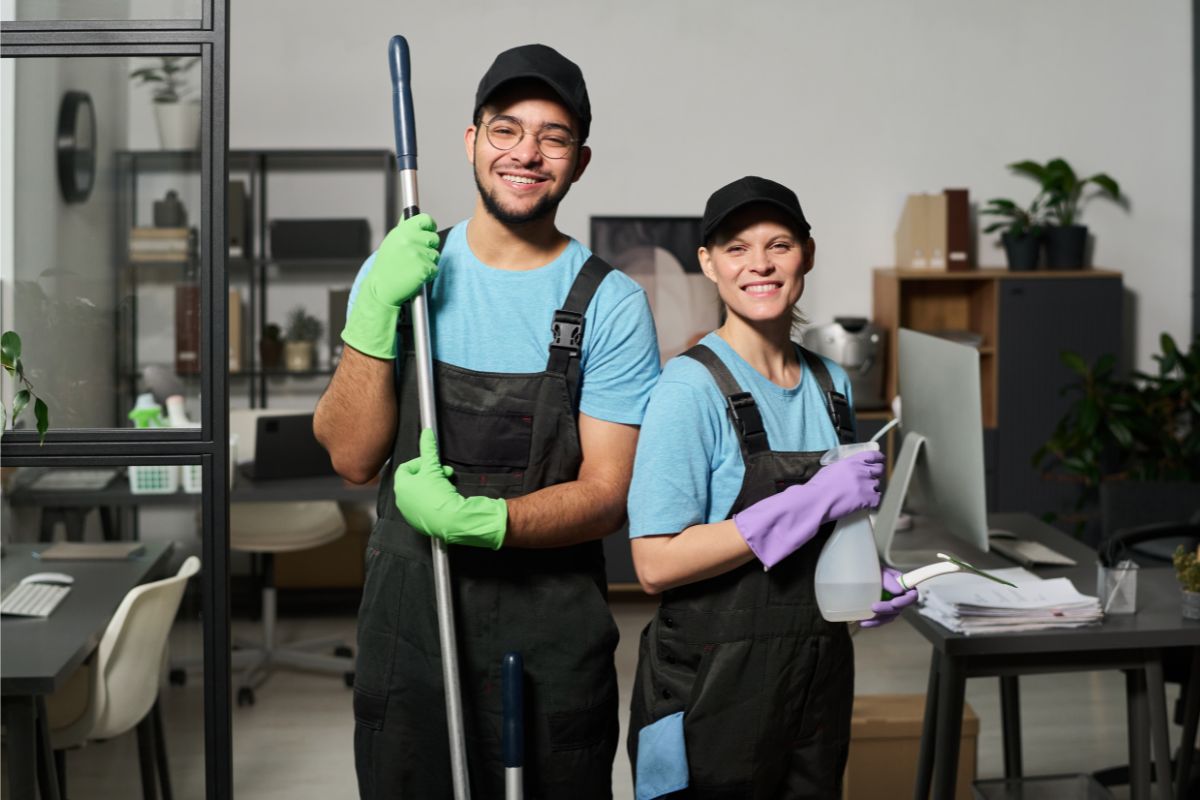
Two professional cleaners, both wearing light blue t-shirts under black coveralls with black caps in an office building ready for their work day.

Once you’ve seen your own numbers, the reasons behind the gap start to make sense.

Predictable Pricing

A cleaning company quote covers labor, supplies, and equipment on a single line. You know what you’re paying before the work starts, and that number doesn’t shift because someone called in sick or a vacuum broke down. Budgeting gets easier when the cost of cleaning is a single line item rather than four separate ones scattered across payroll, supplies, and management time.

No Coverage Gaps

When a member of an in-house cleaning team calls in sick, someone on your staff has to figure out what happens next. With a professional cleaning service, that responsibility shifts to the provider. If a cleaner is unavailable, arranging a replacement is part of the service, so your team isn’t left scrambling to fill the gap.

Accountability Built In

Picture Perfect Cleaning holds COR certification and provides regular service reporting, so you can see what’s being done and when, without spending your own hours checking on it. That’s the management time most in-house teams never get back. Our team also uses EcoLogo- and Green Seal-certified products, so you’re not trading cost savings for a lower cleaning standard.

Get Your Custom Quote

Wages are only one line in what in-house cleaning actually costs. Once you add in supplies, the hours a manager spends overseeing the crew, and the gaps left by sick days, the real number is usually higher than what shows up on a payroll report and often higher than what a professional service would charge for the same work. That’s the gap the tool above is built to show you, along with what outsourcing could put back in your budget.

Our cost comparison tool gives you a reasonable estimate of what you could save by switching to a professional cleaning service, not a final number. Every building is different, and factors like your cleaning schedule, the size of your facility, and the services you need will affect the actual cost. If you’d like a more accurate quote based on your space, contact Picture Perfect Cleaning, and we’ll walk you through the options.